Trees of Maryville: A Family Guide to the Trees Around Town
There is something special about walking through the trees with your family. It is a way to connect with each other and with nature. And I will be honest with you - there is also something special about walking through the trees with your husband, when he grabs your butt from behind while you are looking at a tree. Yes, I said it. Because sometimes that is exactly what you need - a good grab and a moment of connection while you are both enjoying the moment.
A Family Activity
The trees around Maryville are not just scenery. They are a classroom, a playground, and sometimes a romantic setting. Here is how to make tree-walking a real family activity.
The Trees
Tulip Poplar (Yellow Poplar)
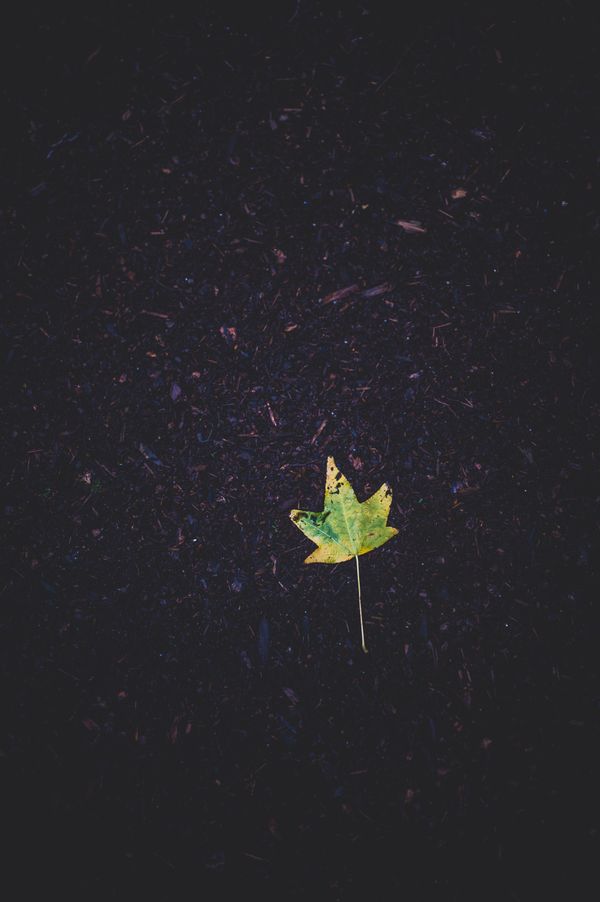
What to look for: The tulip poplar is Tennessee's state tree, which means it is special. It has a distinctive leaf shape - sort of like a hand with 3 to 5 points, with a flat or notched top that makes it unique among leaves. When you find one, your kids will recognize it every time.
Where to find them in Maryville: Look for these giants along the creek near Ijams Nature Center, or on the trails around Blount County Park. They get big - sometimes over 100 feet tall - so you will know them when you see them.
Leaf collecting tip: Tulip poplar leaves are large, so they make great specimens. Pick one that has fallen, press it in a book overnight, and add it to your collection.
Red Maple
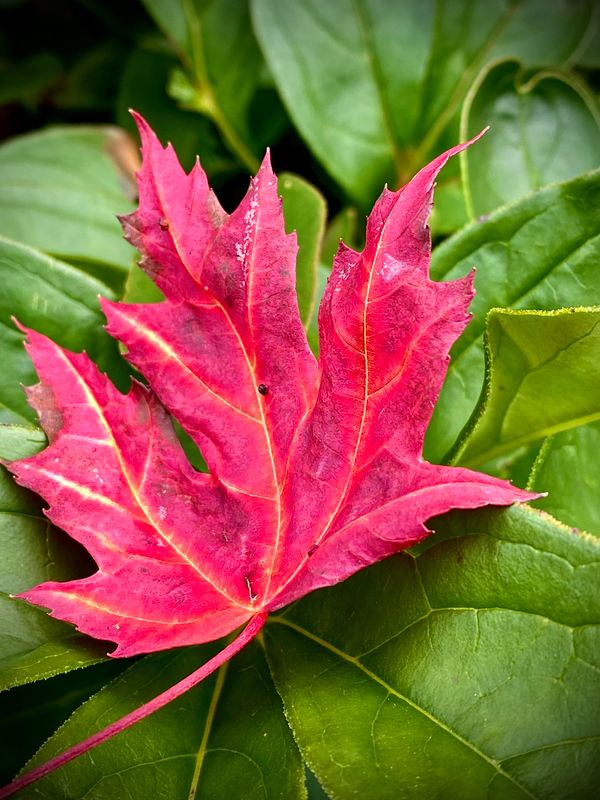
What to look for: The red maple has a simple, palm-like shape with 3 to 5 pointed lobes and serrated edges. The bark is smooth and gray on younger trees, and the leaves turn brilliant red in the fall - like the one pictured above.
Where to find them in Maryville: These are common throughout town, especially near wet areas. You will find them along the Greenway and in the parks around Fountain City.
Leaf collecting tip: The leaves are smaller than tulip poplar, so they make great collection pieces. They have a serrated edge that your kids can feel.
Eastern Redbud

What to look for: The redbud is famous for its pink flowers that bloom before the leaves in spring. The leaves are heart-shaped and bright green - that distinctive heart shape is the easiest way to identify them. Your kids will love finding these.
Where to find them in Maryville: Redbuds line the streets in residential neighborhoods and are common in the parks. If you walk through Maryville in March or April, you will see them in full bloom with those gorgeous pink flowers.
Leaf collecting tip: The heart shape makes redbud leaves easy to identify. They are smooth and round at the base where the stem connects.
White Oak
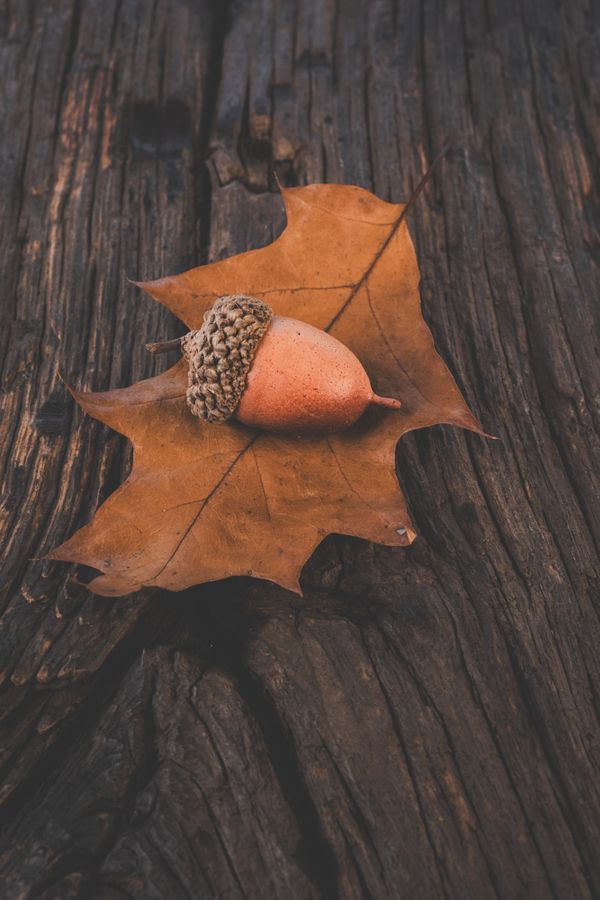
What to look for: The white oak has rounded leaf lobes - no sharp points. That is the key difference between white oaks and red oaks. And of course, acorns. The leaves are medium-sized and have a distinctive shape that is different from other oaks.
Where to find them in Maryville: White oaks are found in the parks and along the creek areas. They are the big, stately trees that give you shade.
Leaf collecting tip: The rounded lobes are easy to feel even without looking at the leaf. It is a tactile way to teach kids about tree identification.
Sweetgum

What to look for: The sweetgum has a star-shaped leaf with 5 points - those narrow, sharply pointed lobes arranged in a star pattern. The leaves turn brilliant colors in the fall - red, orange, yellow - so they are easy to spot in autumn.
Where to find them in Maryville: These are common along roadways and in parks. You will see them lining the streets as you drive through town.
Leaf collecting tip: The star shape is unmistakable. Sweetgum also produces the spiky "gum balls" that drop to the ground - your kids will want to pick those up too (and you will want to avoid stepping on them barefoot).
Sycamore
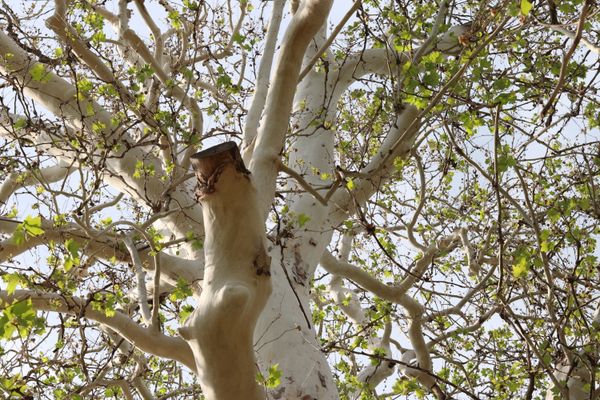
What to look for: The sycamore has large, coarse leaves that can be up to 6 inches wide. But the bark is the real giveaway - it peels in patches to reveal white underneath, creating a mottled pattern you can spot from across a field.
Where to find them in Maryville: Sycamores grow along creeks and rivers. If you walk near any water in Maryville, look for these giants.
Leaf collecting tip: These are the largest leaves you will find - perfect for big kids or big collection pages.
Dogwood

What to look for: The dogwood has simple, oval-shaped leaves that grow opposite each other on the stem. In spring, the white or pink flowers with four rounded bracts make them easy to find - they are one of the first signs of spring.
Where to find them in Maryville: Dogwoods are common in yards and along the wooded areas around town. They are the smaller trees that provide beautiful spring color.
Leaf collecting tip: The opposite leaf arrangement is a key identification feature. Your kids can learn this rule for all trees.
Teaching Kids to Identify Trees
Here is a practical approach to making tree-walking educational:
-
Start with the leaves. Find one tree, collect a leaf, and compare it to other leaves. Kids love sorting and finding patterns.
-
Teach them the rules. Some trees have opposite leaves, some have alternate. Some have smooth edges, some have serrated. These are rules they can remember.
-
Make it a game. Can you find the tree with the heart-shaped leaf? The one with the star shape? The one with the peeling bark?
-
Build a collection. Keep the leaves in a book or a folder. Over time, you will have your own tree guide.
Making it Romantic
Yes, I just said that. Walking through the trees with your husband - it can be romantic.
There is something about being outside, looking at the trees, that makes you feel connected to each other. And sometimes, when you are looking at a tree and he grabs your butt from behind, it is the perfect moment. Not because it is the most educational activity, but because it is something you do together and you are both enjoying it.
The trees don't care about your marriage. They are just trees. But they are a backdrop for the moments that matter - the quiet walks, the touches, the laughs, the feeling of being together in a way that feels real.
Start Your Collection
The trees around Maryville are a collection waiting to be discovered. Start with one or two trees, learn to recognize them, and then add to the list. Your kids will learn, you will spend time together, and sometimes your husband will grab your butt while you are looking at a tree and that will be the best part.
Come spring, when the redbuds are blooming and the tulip poplars are budding, go outside and look for them. Bring your kids. Bring a collection book. Bring your husband. And enjoy the moment, whether it is educational or romantic or both.
Photos courtesy of Pexels (free to use, no attribution required).